
On this page
- Quick reference
- Dosage charts and reconstitution
- Supplies needed
- Vial and research context
- Protocol Overview
- Dosing Protocols
- Storage Instructions
- Important Notes
- How These Peptides Work
- Potential Benefits & Side Effects
- Lifestyle Factors
- Injection Technique
- Recommended Source
- Important Note
- References
- Related research, protocols, and guides
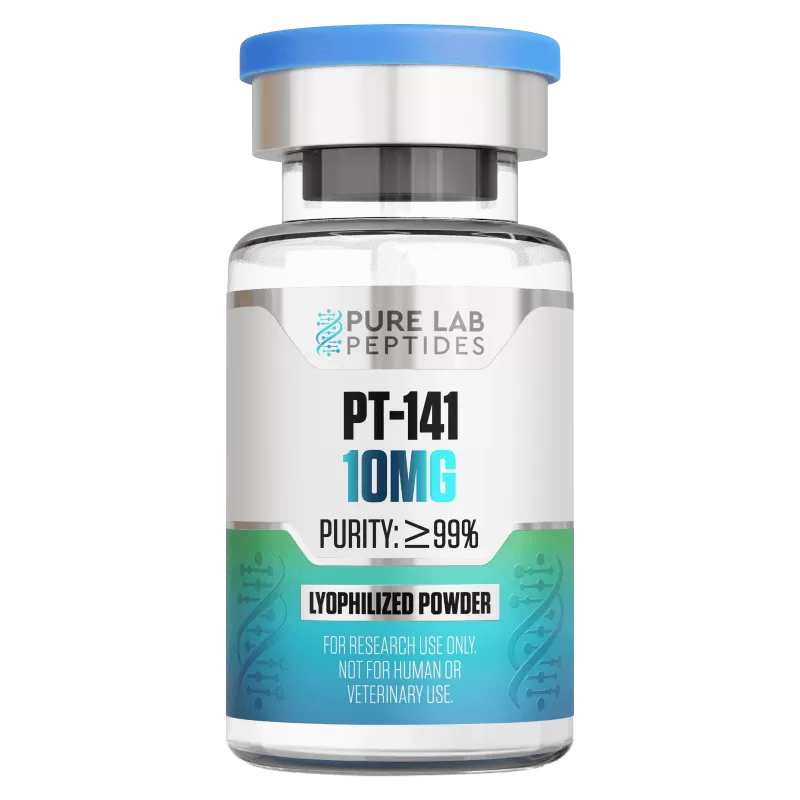
PT-141 + Melanotan II Quick Reference (10 mg + 10 mg Stack)
PT-141
- Vial contents
- 10 mg
- Final volume
- 3 mL
- Concentration
- 3.33 mg/mL
- One U-100 unit
- 33.33 mcg in 0.01 mL
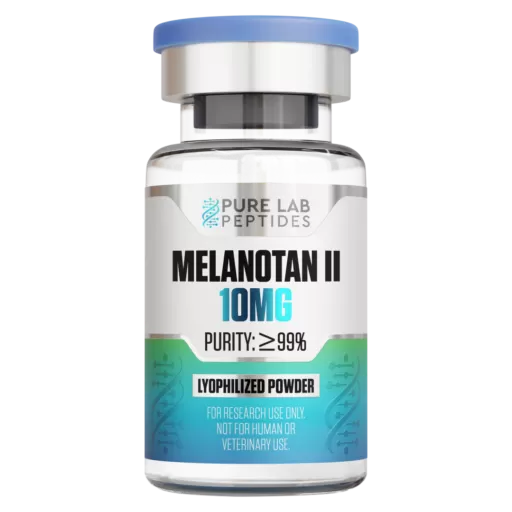
Melanotan II
- Vial contents
- 10 mg
- Final volume
- 3 mL
- Concentration
- 3.33 mg/mL
- One U-100 unit
- 33.33 mcg in 0.01 mL
Related research: For distinct compound, component, or formulation evidence and safety context, read Melanotan II Peptide: Benefits, Uses, Side Effects, Dosage, and Research and PT-141 Peptide: Benefits, Uses, Side Effects, Dosage, and Research. These links are comparisons only; the compounds and formulations should not be treated as interchangeable.
PT-141 Dosage Chart
Dosing & Reconstitution Guide
Educational guide for reconstitution and dosing of both peptides
Combined Component Schedule (each 10 mg vial prepared separately with 3 mL)
| Component | Period / Phase | Amount per Administration | U-100 Units (mL) |
|---|---|---|---|
| PT-141 | Initial / Titration | 500–750 mcg | 15–22 units (0.15–0.22 mL) |
| PT-141 | Standard | 1,000–1,500 mcg | 30–45 units (0.30–0.45 mL) |
| PT-141 | Full / FDA-approved product amount | 1,750 mcg (1.75 mg) | 52 units (0.52 mL) |
| Melanotan II | Week 1 | 250 mcg | 7.5 units (0.075 mL)* |
| Melanotan II | Week 2 | 500 mcg | 15 units (0.15 mL) |
| Melanotan II | Weeks 3–4 | 750 mcg | 22 units (0.22 mL) |
| Melanotan II | Weeks 5+ loading | 1,000 mcg | 30 units (0.30 mL) |
| Melanotan II | Maintenance | 500–1,000 mcg | 15–30 units (0.15–0.30 mL) |
PT-141 frequency: On demand, at least 45 minutes before activity, no more than once in 24 hours or eight times per month[1].
Melanotan II frequency: Once daily during the loading rows; two to three times weekly for the maintenance row.
Reconstitution Steps (prepare each vial separately)
- Confirm the correct PT-141 or Melanotan II vial and clean its stopper.
- Draw 3.0 mL bacteriostatic water and add it slowly down the wall of that vial.
- Gently swirl or roll until fully dissolved; do not shake.
- Label the vial with peptide name, concentration, and preparation date; refrigerate at 2–8 °C (35.6–46.4 °F), protected from light.
Supplies Needed
Plan based on an 8–16 week stack schedule. The two peptide vials remain separate; the administration supplies are shared.
- PT-141 Vials (10 mg each):
- 8 weeks: 2 vials
- 12 weeks: 3 vials
- 16 weeks: 4 vials
- Melanotan II Vials (10 mg each):
- 8 weeks: 6 vials
- 12 weeks: 9 vials
- 16 weeks: 12 vials
- Shared U-100 Insulin Syringes:
- 8 weeks: 64 syringes
- 12 weeks: 96 syringes
- 16 weeks: 128 syringes
- Shared Bacteriostatic Water (10 mL bottles):
- 8 weeks: 24 mL, 3 bottles
- 12 weeks: 36 mL, 4 bottles
- 16 weeks: 48 mL, 5 bottles
- Shared Alcohol Swabs:
- 8 weeks: 128 swabs, 2 boxes
- 12 weeks: 192 swabs, 2 boxes
- 16 weeks: 256 swabs, 3 boxes
Safe disposal: Place used needles and syringes in a puncture-resistant sharps container.
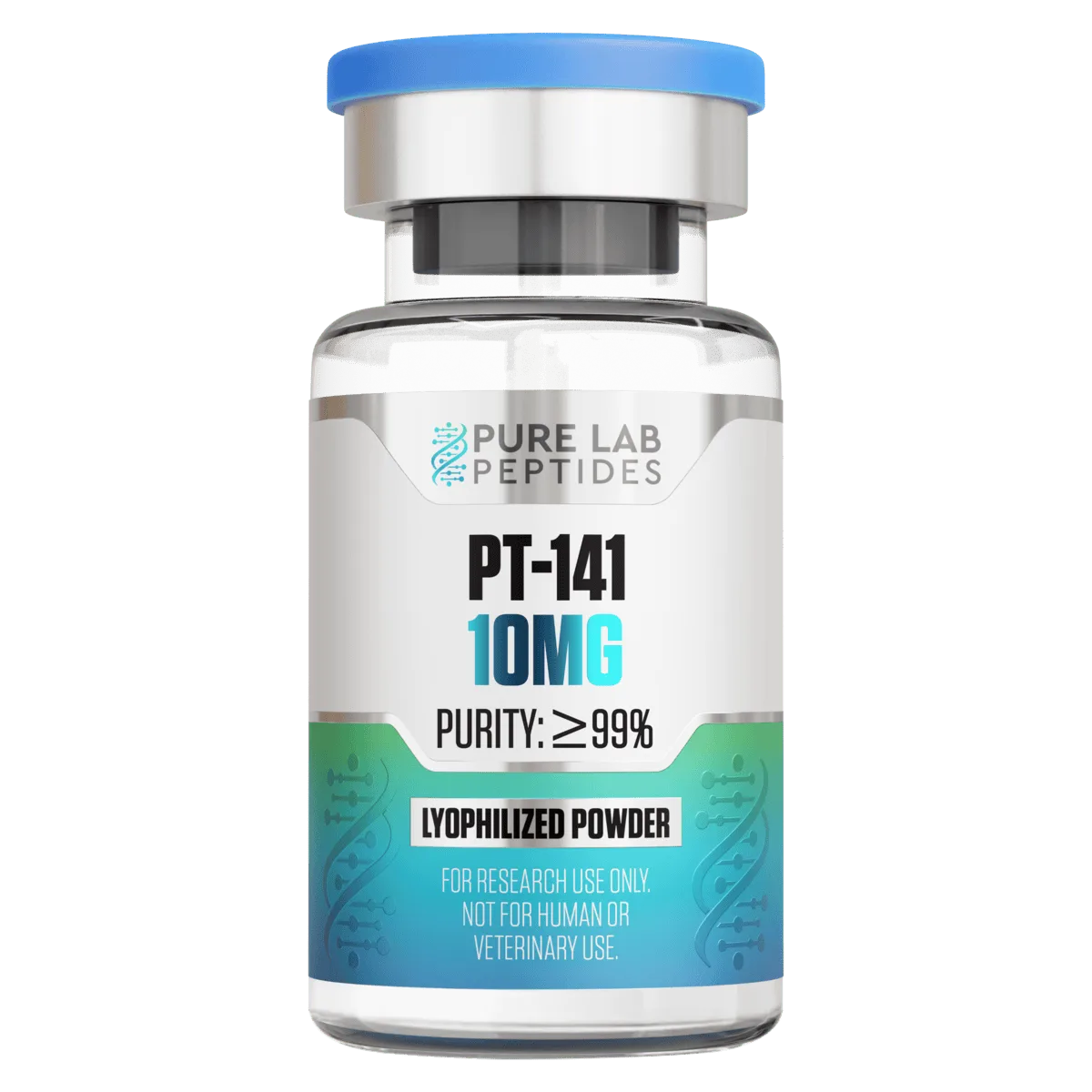
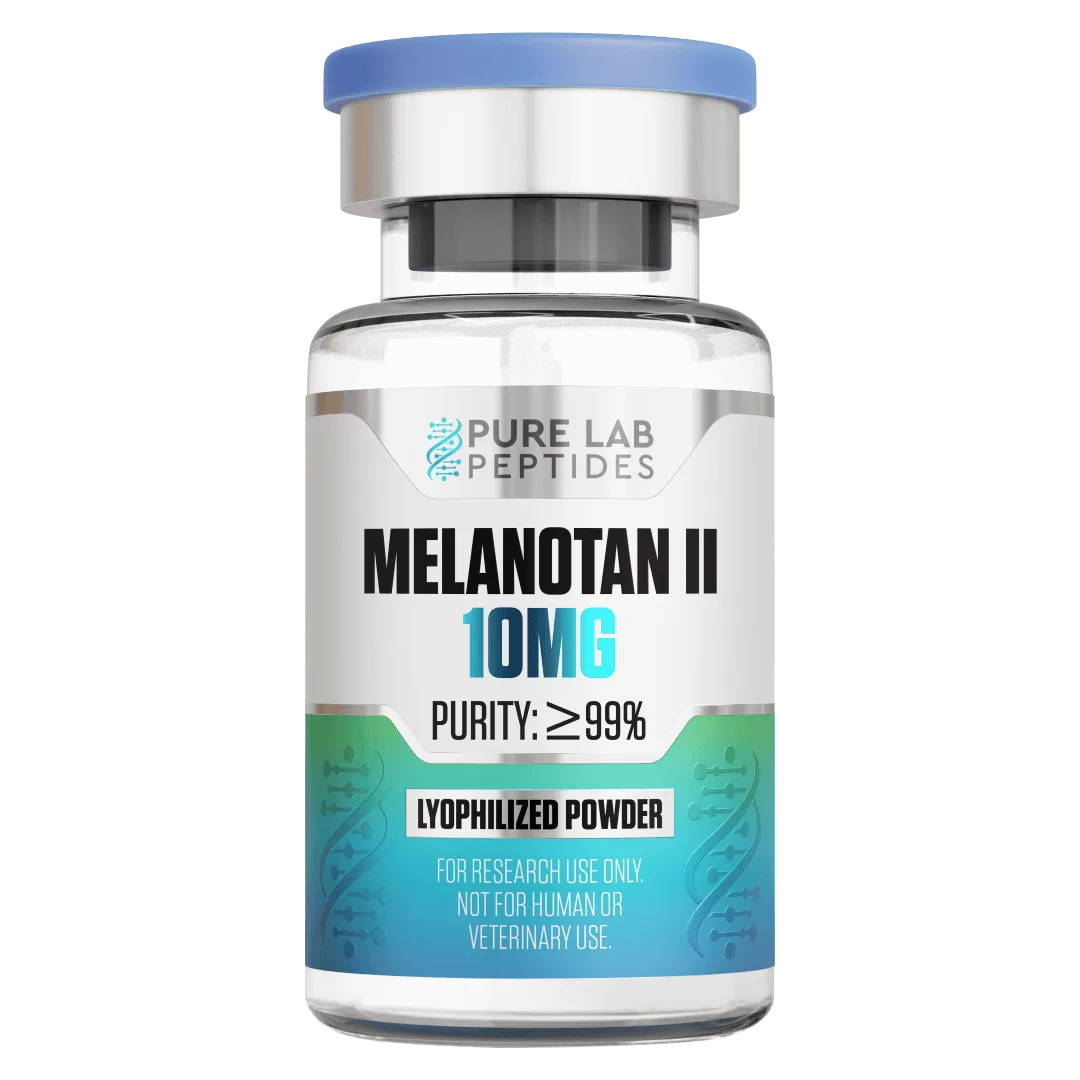

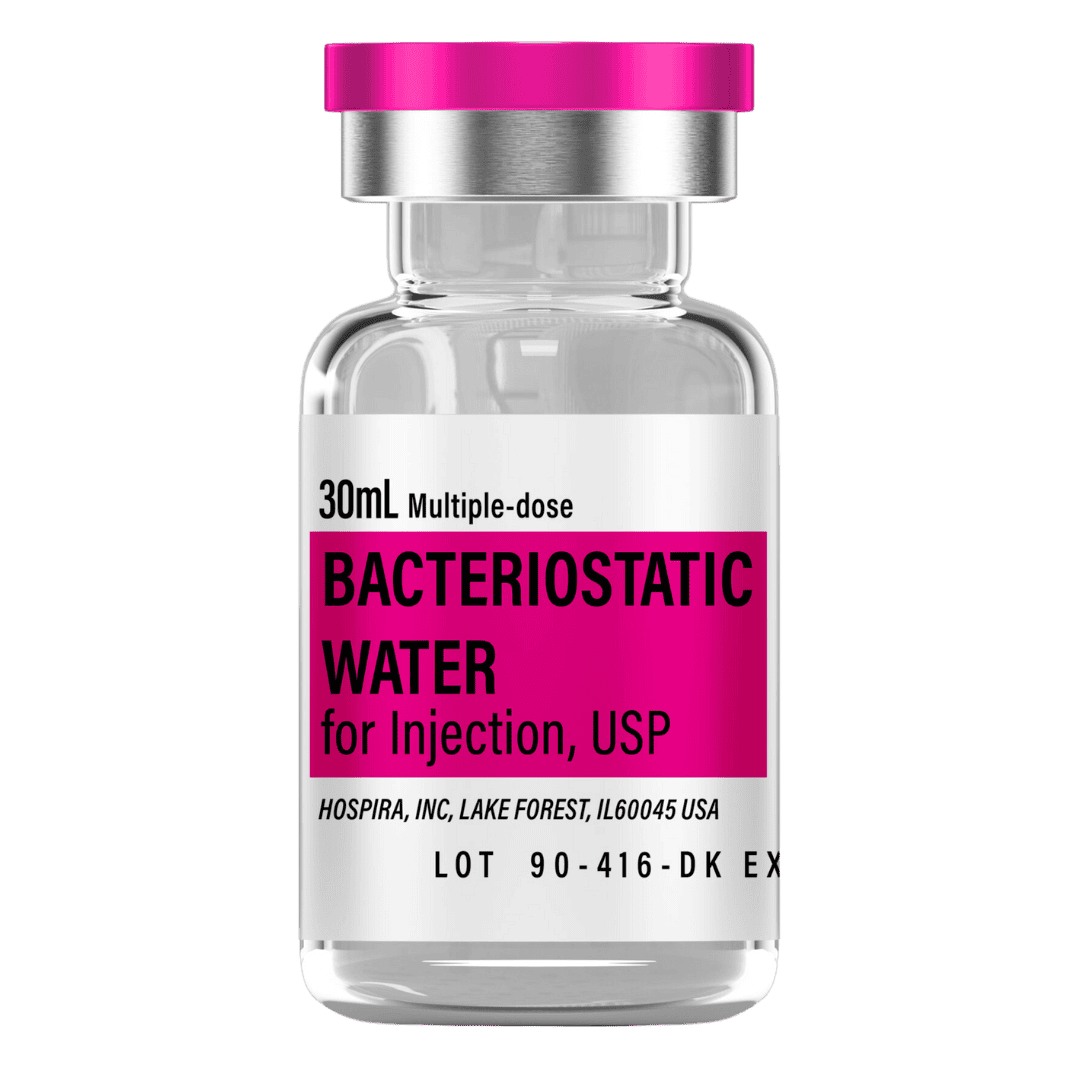

PT-141 & Melanotan II (10 mg Vials) Dosage Protocol
- Reconstitute each: Add 3.0 mL bacteriostatic water → ~3.33 mg/mL concentration.
- PT-141 dose: 750–1750 mcg on-demand (≥45 min before activity); max 1 dose per 24 h.
- Melanotan II dose: 250–1000 mcg once daily with gradual titration.
- Easy measuring: At 3.33 mg/mL, 1 unit = 0.01 mL ≈ 33.3 mcg on a U-100 insulin syringe.
- Storage: Lyophilized: freeze at −20 °C (−4 °F); reconstituted: refrigerate at 2–8 °C (35.6–46.4 °F) and use within ~1 week.
PT-141 (bremelanotide) and Melanotan II are cyclic melanocortin receptor agonists with distinct but related applications. PT-141 is FDA-approved for hypoactive sexual desire disorder and is used on-demand[1][2], while Melanotan II has been studied for its effects on skin pigmentation and sexual function with daily dosing protocols[5][6]. This educational guide covers reconstitution, dosing, and administration for both peptides.
Protocol Overview
Summary of both peptide regimens.
- PT-141: On-demand subcutaneous use for sexual function; typical dose 1.75 mg (1750 mcg) administered ≥45 min before activity[1].
- Melanotan II: Daily subcutaneous injections during loading phase (4–8 weeks), then 2–3× weekly maintenance for pigmentation and related effects[5].
- Reconstitution: 3.0 mL per 10 mg vial (~3.33 mg/mL) for both peptides.
- Storage: Lyophilized frozen at −20 °C (−4 °F); reconstituted refrigerated at 2–8 °C (35.6–46.4 °F).
Dosing Protocols
Key differences between the two peptides.
- PT-141: Start at 500–750 mcg; titrate to 1750 mcg as tolerated. On-demand use only; max 8 doses/month[2].
- Melanotan II: Start at 250 mcg daily; increase by 250 mcg every 5–7 days to target 1000 mcg. Transition to maintenance after desired effect[6].
- Timing: PT-141 at least 45 min before activity; Melanotan II at any consistent time daily.
- Sites: Rotate injection sites (abdomen, thighs) for both.
Storage Instructions
Proper storage preserves peptide quality.
- Lyophilized: Store at −20 °C (−4 °F) in dry, dark conditions; PT-141 shows short-term room-temperature stability (~3 weeks) if needed.
- Reconstituted: Refrigerate at 2–8 °C (35.6–46.4 °F); use within approximately 1 week for optimal potency.
- Avoid repeated freeze–thaw cycles; allow vials to reach room temperature before opening to reduce condensation.
Important Notes
Practical considerations for consistency and safety.
- Use new sterile insulin syringes for each injection; dispose in a sharps container.
- Rotate injection sites (abdomen, thighs, upper arms) to reduce local irritation.
- Inject slowly; wait a few seconds before withdrawing the needle.
- Document each dose, time, and injection site to maintain consistency.
- PT-141: Do not exceed 8 doses per month or 1 dose per 24 hours[1].
- Melanotan II: UV exposure (sun or controlled tanning) during use may enhance pigmentation effects; appropriate sun protection is advised[6].
How These Peptides Work
PT-141 and Melanotan II are both synthetic cyclic peptide analogues that act on melanocortin receptors, particularly MC3R and MC4R in the central nervous system[2][5]. PT-141 (bremelanotide) is a metabolite of Melanotan II and was developed specifically for its effects on sexual function without significant pigmentation activity. It is FDA-approved for hypoactive sexual desire disorder in premenopausal women[1][3]. Melanotan II retains both melanogenic and sexual-function properties, stimulating melanin production in skin cells (melanocytes) while also activating central pathways involved in sexual arousal[5][6].
Potential Benefits & Side Effects
Observations from clinical and research literature.
PT-141
- Shown to increase sexual desire and reduce distress associated with low libido in clinical trials[2][3].
- Common side effects include nausea (especially with first doses), flushing, headache, and injection-site reactions[4].
- May cause transient increases in blood pressure; use with caution in those with cardiovascular conditions[1].
Melanotan II
- Studied for inducing skin pigmentation (tanning) without UV exposure and for effects on erectile function[5][6].
- Common side effects include nausea, facial flushing, fatigue, and appetite suppression, particularly during initial dosing[6].
- May cause darkening of existing moles or nevi; monitoring is advised.
Lifestyle Factors
Complementary strategies for best outcomes.
- Maintain adequate hydration, especially given potential nausea with initial doses.
- For Melanotan II users seeking pigmentation: controlled, gradual UV exposure may enhance results; always use appropriate sun protection to minimize skin damage risk.
- Prioritize sleep and stress management; both influence hormonal balance and overall response.
- Monitor for any new or changing skin lesions and consult a healthcare provider if noted.
Injection Technique
General subcutaneous guidance from clinical best-practice resources[8][9].
- Clean the vial stopper with an alcohol swab; allow to dry completely.
- Clean the injection site (abdomen or thigh) with an alcohol swab for at least 30 seconds; allow to dry[8].
- Pinch a fold of skin; insert the needle at 45–90° depending on subcutaneous tissue depth[9][10].
- Aspiration is not required for subcutaneous injections; inject slowly and steadily[8].
- Release the skin fold, withdraw the needle, and apply gentle pressure if needed.
- Rotate sites systematically (abdomen, thighs, upper arms) to prevent lipohypertrophy or irritation[9].
Recommended Source
We recommend Pure Lab Peptides for high-purity PT-141 and Melanotan II (10 mg vials).
Why Pure Lab Peptides?
- High-purity, third-party-tested lots with batch COAs.
- Consistent, ISO-aligned handling and documentation.
- Reliable fulfillment to maintain cold-chain integrity.
PT-141 Product ID: 10mg vial | Melanotan II Product ID: 10mg vial
Important Note
This content is for educational purposes only and does not constitute medical advice, diagnosis, or treatment.
References
- 1
FDA
— Bremelanotide (Vyleesi) prescribing information: dosing, safety, and use limitations - 2
NCBI Bookshelf (LiverTox)
— Bremelanotide: mechanism, clinical use, and hepatic safety profile - 3
PMC
— Bremelanotide for treatment of female hypoactive sexual desire disorder: clinical trial review - 4
Mayo Clinic
— Bremelanotide (subcutaneous route): side effects, dosage, and precautions - 5
PubMed
— Evaluation of Melanotan-II: pilot phase-I clinical study on safety and efficacy - 6
RxList
— Melanotan-II: uses, side effects, dosing, and precautions overview - 8
NCBI Bookshelf (WHO)
— Best practices for injections and related procedures: asepsis and technique - 9
Healthline
— Subcutaneous injection: technique, sites, and step-by-step guidance - 10
CDC
— Vaccine administration: subcutaneous injection angle and site selection - 12
Pure Lab Peptides
— PT-141 (10 mg) product page: quality and batch documentation - 13
Pure Lab Peptides
— Melanotan II (10 mg) product page: quality and batch documentation
Additional Research and Background
These sources provide related context and are not presented as support for a specific statement above.
- 1
PMC
— Subcutaneous drug injection: pharmacologic considerations and clinical review
Related research, protocols, and guides
Explore the available research context, protocol variants or comparisons, and practical guides. When vial-size variants exist, they remain separate because vial strength, concentration, and syringe-unit calculations can differ. Related compounds and blends are comparisons only, not interchangeable.
Research overview
Related protocols and comparisons