
Testagen (20 mg Vial) Dosage Protocol
Quickstart Highlights
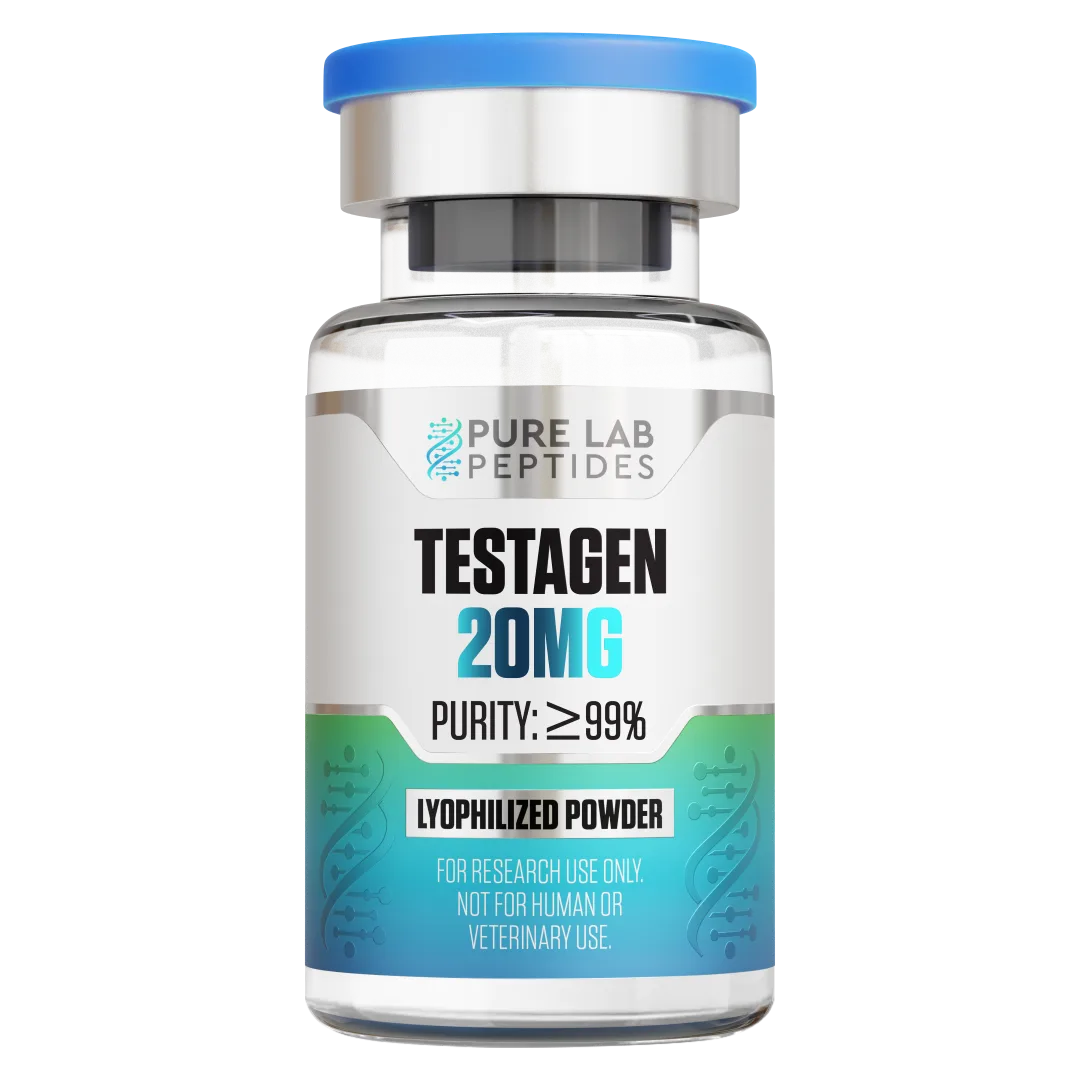
Testagen is a synthetic tetrapeptide with the sequence Lys‑Glu‑Asp‑Gly (KEDG), an anterior pituitary‑derived bioregulator studied for its role in modulating endocrine function, particularly the pituitary–gonadal axis[1][2]. Preclinical research indicates effects on thyroid hormone normalization and male reproductive hormone modulation[3][4]. This educational protocol presents a once‑daily subcutaneous approach using a practical dilution for clear insulin‑syringe measurements.
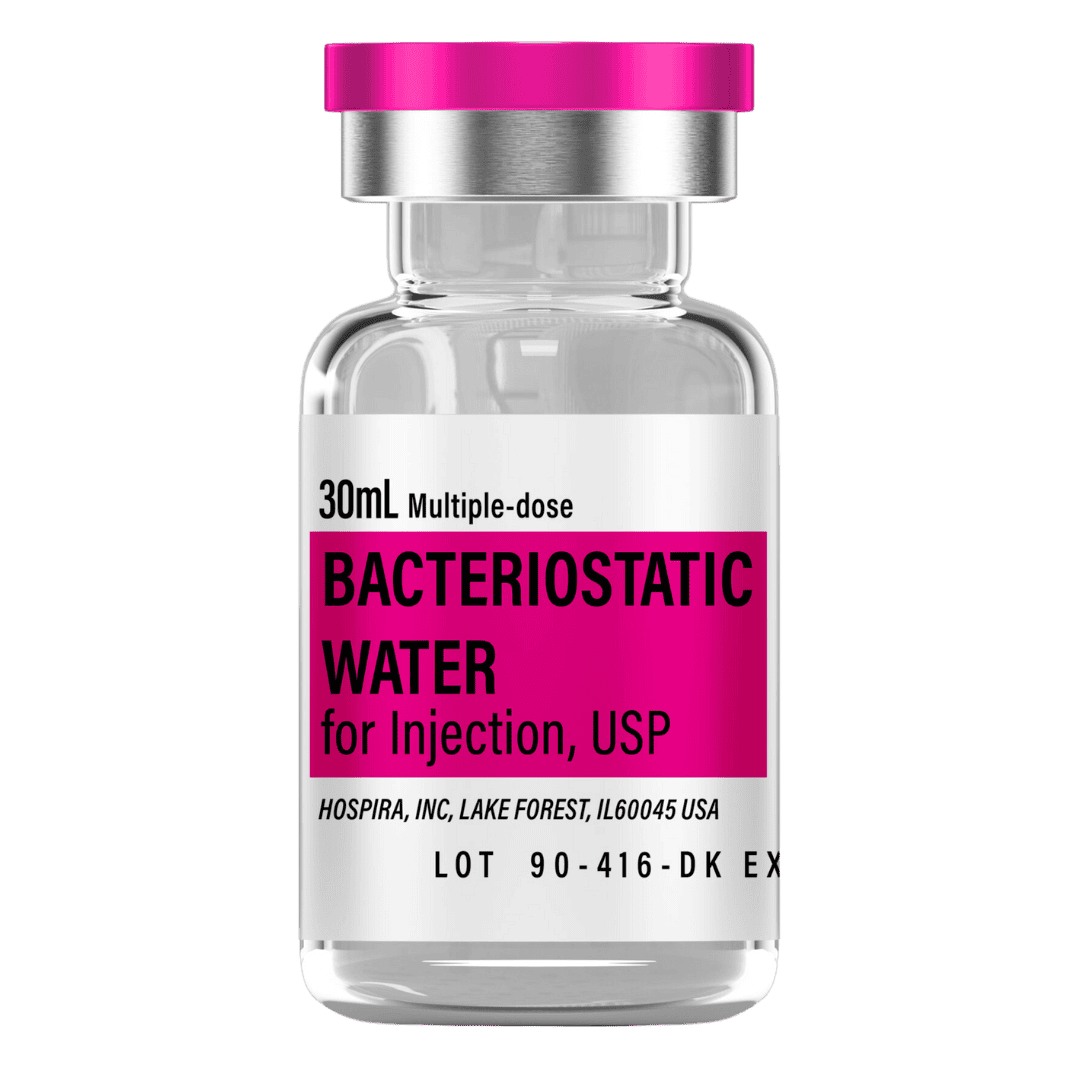
- Reconstitute: Add 3.0 mL bacteriostatic water → ~6.67 mg/mL concentration.
- Typical daily range: 100–300 mcg once daily (gradual titration).
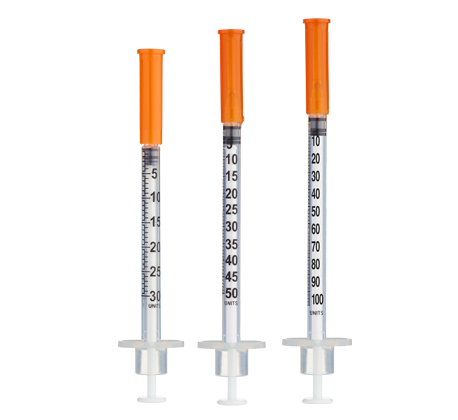
- Easy measuring: At 6.67 mg/mL, 1 unit = 0.01 mL ≈ 66.7 mcg on a U‑100 insulin syringe.
- Storage: Lyophilized: freeze at −20 °C (−4 °F); after reconstitution, refrigerate at 2–8 °C (35.6–46.4 °F); avoid freeze–thaw cycles.
Dosing & Reconstitution Guide
Educational guide for reconstitution and daily dosing
Standard / Gradual Approach (3 mL = ~6.67 mg/mL)
| Week | Daily Dose (mcg) | Units (per injection) (mL) |
|---|---|---|
| Weeks 1–2 | 100 mcg (0.1 mg) | 1.5 units (0.015 mL) |
| Weeks 3–4 | 150 mcg (0.15 mg) | 2.25 units (0.0225 mL) |
| Weeks 5–8 | 200 mcg (0.2 mg) | 3 units (0.03 mL) |
| Weeks 9–12 (optional) | 250–300 mcg (0.25–0.3 mg) | 3.75–4.5 units (0.0375–0.045 mL) |
Frequency: Inject once daily subcutaneously, consistent with preclinical study protocols[3][4]. For ≤10‑unit (≤0.10 mL) administrations, consider 30‑ or 50‑unit insulin syringes for improved readability.
Reconstitution Steps
- Draw 3.0 mL bacteriostatic water with a sterile syringe.
- Inject slowly down the vial wall; avoid foaming.
- Gently swirl/roll until dissolved (do not shake)[5].
- Label and refrigerate at 2–8 °C (35.6–46.4 °F), protected from light.
Supplies Needed
Plan based on an 8–16 week daily protocol with gradual titration.
-
Peptide Vials (Testagen, 20 mg each):
- 8 weeks (~14 mg used) ≈ 1 vial
- 12 weeks (~25 mg used) ≈ 2 vials
- 16 weeks (~36 mg used) ≈ 2 vials
-
Insulin Syringes (30‑ or 50‑unit recommended for low‑volume accuracy):
- Per week: 7 syringes (1/day)
- 8 weeks: 56 syringes
- 12 weeks: 84 syringes
- 16 weeks: 112 syringes
-
Bacteriostatic Water (10 mL bottles): Use ~3.0 mL per vial for reconstitution.
- 8 weeks (1 vial): 3 mL → 1 × 10 mL bottle
- 12 weeks (2 vials): 6 mL → 1 × 10 mL bottle
- 16 weeks (2 vials): 6 mL → 1 × 10 mL bottle
-
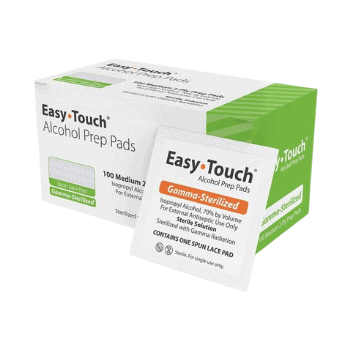
Alcohol Swabs: One for the vial stopper + one for the injection site each day.
- Per week: 14 swabs (2/day)
- 8 weeks: 112 swabs → recommend 2 × 100‑count boxes
- 12 weeks: 168 swabs → recommend 2 × 100‑count boxes
- 16 weeks: 224 swabs → recommend 3 × 100‑count boxes
Protocol Overview
Concise summary of the once‑daily regimen.
- Goal: Support endocrine function research, particularly pituitary–gonadal axis modulation[1][2].
- Schedule: Daily subcutaneous injections for 8–12 weeks (extend to 16 weeks if desired).
- Dose Range: 100–300 mcg daily with gradual titration.
- Reconstitution: 3.0 mL per 20 mg vial (~6.67 mg/mL) for accurate unit measurements.
- Storage: Lyophilized frozen; reconstituted refrigerated; avoid repeated freeze–thaw.
Dosing Protocol
Suggested daily titration approach.
- Start: 100 mcg daily; increase by ~50 mcg every 2 weeks as tolerated.
- Target: 200–300 mcg daily by Weeks 5–12.
- Frequency: Once per day (subcutaneous).
- Cycle Length: 8–12 weeks; optional extension to 16 weeks.
- Timing: Any consistent time; rotate injection sites.
Storage Instructions
Proper storage preserves peptide quality[5][6].
- Lyophilized: Store at −20 °C (−4 °F) in dry, dark conditions; minimize moisture exposure.
- Reconstituted: Refrigerate at 2–8 °C (35.6–46.4 °F); prepare aliquots if needed and avoid freeze–thaw.
- Allow vials to reach room temperature before opening to reduce condensation uptake.
Important Notes
Practical considerations for consistency and safety.
- Use new sterile insulin syringes; dispose in a sharps container[7].
- Rotate injection sites (abdomen, thighs, upper arms) to reduce local irritation[8].
- Inject slowly; wait a few seconds before withdrawing the needle.
- Document daily dose and site rotation to maintain consistency.
- Due to very low injection volumes (≤5 units), a 30‑ or 50‑unit syringe is recommended for precision.
How This Works
Testagen (Lys‑Glu‑Asp‑Gly) belongs to a class of short bioregulatory peptides derived from anterior pituitary extracts[1]. Preclinical research in avian models demonstrates that this tetrapeptide can normalize thyroid hormone levels in hypophysectomized subjects and modulate endocrine signaling along the pituitary–gonadal axis[3][4]. These peptides are hypothesized to act through gene‑regulatory mechanisms influencing hormone synthesis and secretion[2]. No human clinical trials exist; current understanding is extrapolated from preclinical and in vitro studies.
Potential Benefits & Side Effects
Observations from preclinical literature (no human trials available).
- Preclinical studies suggest normalization of thyroid hormone parameters in hypophysectomized models[3][4].
- Research indicates potential modulation of male reproductive hormones via pituitary pathways[2].
- No published human safety or efficacy data; side‑effect profile in humans remains unknown.
- Occasional mild injection‑site reactions (redness/itch) may occur with subcutaneous administration.
Lifestyle Factors
Complementary strategies for best outcomes.
- Maintain a balanced, nutrient‑dense diet supporting endocrine health.
- Engage in regular physical activity to support hormonal balance.
- Prioritize quality sleep (7–9 hours) to optimize endogenous hormone rhythms.
- Manage stress through mindfulness or other techniques to reduce cortisol interference.
Injection Technique
General subcutaneous guidance from clinical best‑practice resources[9].
- Clean the vial stopper and skin with alcohol; allow to dry[7].
- Pinch a skinfold; insert the needle at 45–90° into subcutaneous tissue[7][8].
- Do not aspirate for subcutaneous injections; inject slowly and steadily[7].
- Rotate sites systematically (abdomen avoiding 2″ around navel, thighs, upper arms) to avoid tissue damage[8].
- Use a fine gauge needle (23–25 G, ½–⅝″) for comfort[7].
Recommended Source
We recommend Pure Lab Peptides for high‑purity Testagen (20 mg).
Why Pure Lab Peptides?
- High‑purity (≥99%), third‑party‑tested lots with batch COAs.
- Consistent, ISO‑aligned handling and documentation.
- Reliable fulfillment to maintain cold‑chain integrity.
Important Note
This content is intended for therapeutic educational purposes only and does not constitute medical advice, diagnosis, or treatment. No human clinical trials exist for Testagen; all information is derived from preclinical research.
References
-
MDPI Molecules
— The Inhibitory Effect and Adsorption Properties of Testagen Peptide on Copper Surfaces (structural characterization) -
MDPI Molecules
— Peptide Regulation of Gene Expression: A Systematic Review (bioregulatory peptide mechanisms) -
PubMed
— Effects of hypophyseal Lys‑Glu‑Asp‑Gly peptide on immunity, hemostasis, and thyroid function in hypophysectomized chickens -
PubMed
— Effects of Lys‑Glu‑Asp‑Gly peptide on hormonal activity and thyroid morphology in hypophysectomized mature and old birds -
GenScript
— Peptide Storage and Handling Guidelines (reconstitution and stability best practices) -
JPT Peptide Technologies
— How Long Do Peptides Last? (stability and storage considerations) -
CDC
— Vaccine Administration: Subcutaneous Injection Technique (angle, site, no aspiration) -
MedlinePlus
— Subcutaneous (SQ) Injections: Patient Instructions (site rotation and technique) -
PMC
— Subcutaneous Drug Delivery: Pharmacologic Considerations and Clinical Practice -
PMC
— Subcutaneous Injection Route: Pharmacokinetics and Clinical Applications Review -
NCBI Bookshelf
— Best Practices for Injection (asepsis, preparation, and administration) -
Pure Lab Peptides
— Testagen (20 mg) product page (quality and batch documentation)