Sermorelin (5 mg Vial) Dosage Protocol
Quickstart Highlights
Sermorelin is a synthetic growth hormone–releasing hormone (GHRH) analog that stimulates endogenous pituitary GH secretion[1]. Originally approved for pediatric growth hormone deficiency, it is studied for adult off‑label use to support physiologic GH output and IGF‑1 levels[2]. This educational protocol presents a once‑daily subcutaneous approach administered at bedtime to align with natural nocturnal GH release[3].
- Reconstitute: Add 3.0 mL bacteriostatic water → ~1.67 mg/mL concentration.
- Typical daily range: 200–500 µg once daily at bedtime (gradual titration).
- Easy measuring: At 1.67 mg/mL, 1 unit = 0.01 mL ≈ 16.7 µg on a U‑100 insulin syringe.
- Storage: Lyophilized: refrigerate at 2–8 °C (36–46 °F); after reconstitution, refrigerate at 2–8 °C (36–46 °F) and use within 10–14 days[4].

Dosing & Reconstitution Guide
Educational guide for reconstitution and nightly dosing
Standard / Gradual Approach (3 mL = ~1.67 mg/mL)
| Week | Daily Dose (µg) | Units (per injection) (mL) |
|---|---|---|
| Weeks 1–2 | 200 µg | 12 units (0.12 mL) |
| Weeks 3–4 | 300 µg | 18 units (0.18 mL) |
| Weeks 5–6 | 400 µg | 24 units (0.24 mL) |
| Weeks 7–8 | 500 µg | 30 units (0.30 mL) |
Frequency: Inject once daily subcutaneously at bedtime. Bedtime administration is strongly recommended because endogenous GH secretion peaks during sleep[3]. This schedule uses the largest practical dilution (3.0 mL) to keep per‑injection units ≥10 for better accuracy. For ≤10‑unit (≤0.10 mL) administrations, consider 30‑ or 50‑unit insulin syringes for improved readability.
Reconstitution Steps
- Draw 3.0 mL bacteriostatic water with a sterile syringe.
- Inject slowly down the vial wall; gently swirl to dissolve (do not shake vigorously)[2].
- Label with reconstitution date and refrigerate at 2–8 °C (36–46 °F), protected from light[2][4].
- Wipe vial stopper with alcohol before each use; use a new sterile needle and syringe for each injection[2].
Supplies Needed
Plan based on an 8–week daily protocol with gradual titration (56 injections total).
-
Peptide Vials (Sermorelin, 5 mg each):
- 8 weeks (total ~19.6 mg consumed): 4 vials (20 mg total)
- 12 weeks (similar daily range): 6–7 vials
- Tip: Have 1 extra vial as backup in case of spillage or loss.
-
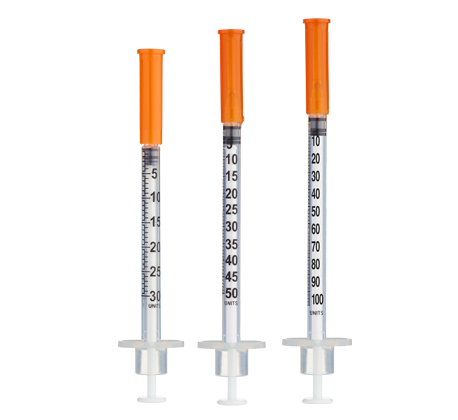
Insulin Syringes (U‑100):
- Per week: 7 syringes (1/day)
- 8 weeks: 56 syringes (recommend 1 × 100‑count box)
- 12 weeks: 84 syringes (1 × 100‑count box)
- Preferred: 0.3–0.5 mL size with 28G–31G needle, 5/16″ to 1/2″ length for subcutaneous use.
-
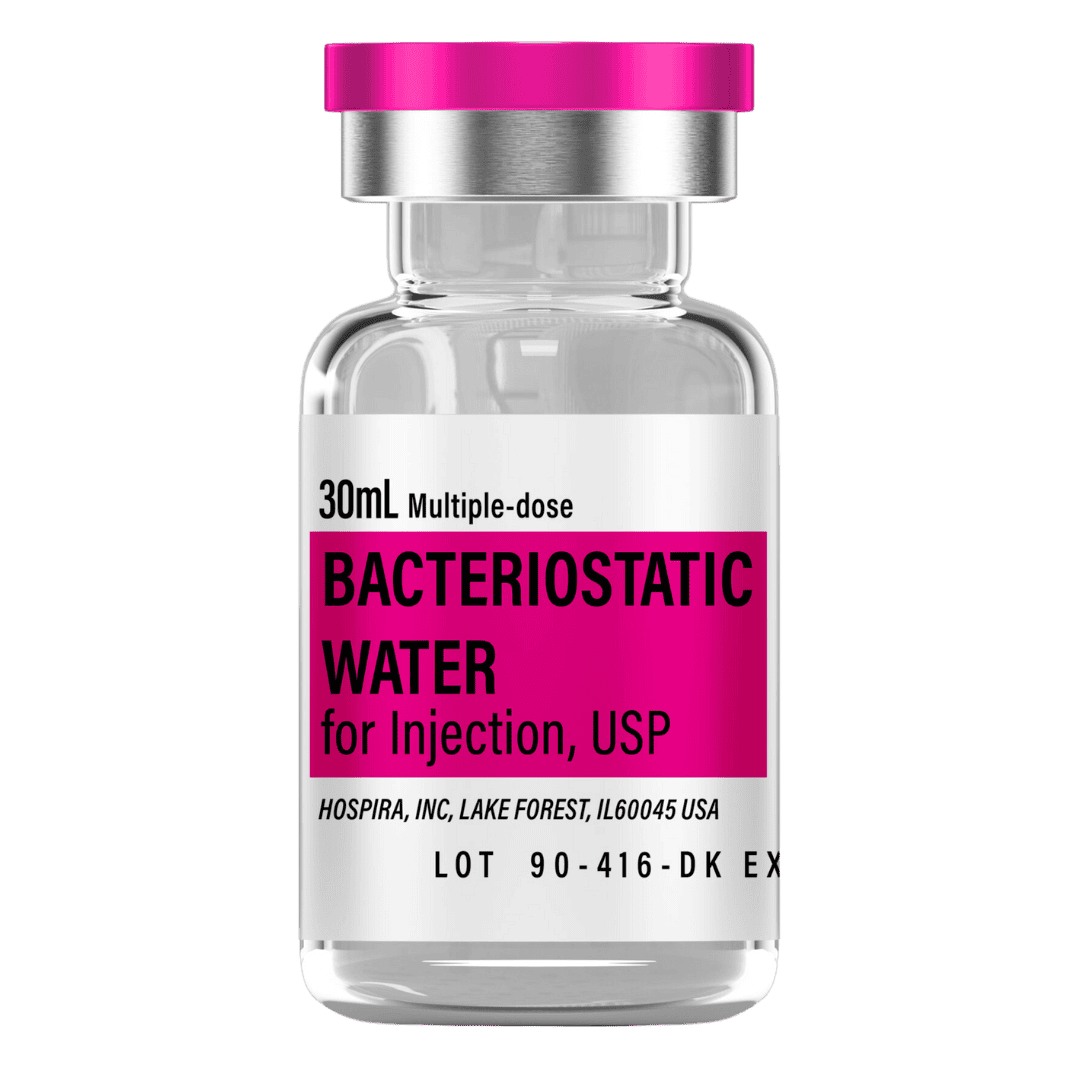
Bacteriostatic Water (10 mL bottles): Use ~3.0 mL per vial for reconstitution.
- 8 weeks (4 vials): 12 mL → 2 × 10 mL bottles
- 12 weeks (7 vials): 21 mL → 3 × 10 mL bottles
- Contains benzyl alcohol preservative; do not use if allergic.
-
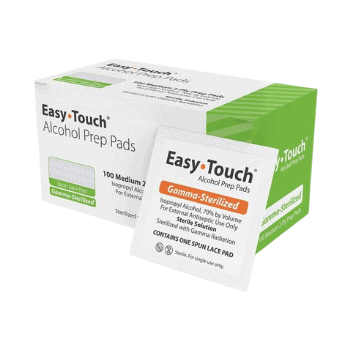
Alcohol Swabs: One for the vial stopper + one for the injection site each day.
- Per week: 14 swabs (2/day)
- 8 weeks: 112 swabs → recommend 2 × 100‑count boxes
- 12 weeks: 168 swabs → recommend 2 × 100‑count boxes
- Sharps Container: One puncture‑proof disposal container for used needles (sufficient for 56+ syringes).
Protocol Overview
Concise summary of the once‑daily nightly regimen.
- Goal: Stimulate endogenous pituitary GH release to support physiologic IGF‑1 levels and anabolic processes[1][2].
- Schedule: Daily subcutaneous injections at bedtime for 3–6 months (pediatric trials ran 6–12 months; adult use is off‑label)[1].
- Dose Range: 200–500 µg daily (adult research range; pediatric: 30 µg/kg nightly)[1][2].
- Reconstitution: 3.0 mL per 5 mg vial (~1.67 mg/mL) for accurate unit measurements.
- Storage: Lyophilized refrigerated; reconstituted refrigerated and used within 10–14 days[4].
Dosing Protocol
Suggested nightly titration approach for adult off‑label use.
- Start: 200 µg nightly at bedtime; increase by ~100 µg every 1–2 weeks as tolerated.
- Target: 300–500 µg nightly by Weeks 5–8 (adjust based on IGF‑1 response).
- Frequency: Once per day (subcutaneous, preferably before sleep)[3].
- Cycle Length: 3–6 months typical for adult research use; pediatric trials ran 6–12 months[1].
- Timing: Bedtime administration leverages natural nocturnal GH pulse; rotate injection sites systematically[7].
Storage Instructions
Proper storage preserves peptide potency and sterility.
- Lyophilized: Store at 2–8 °C (36–46 °F) in dry, dark conditions[2]. Do not freeze dry powder; check expiration date.
- Reconstituted: Refrigerate at 2–8 °C (36–46 °F)[4]; do not freeze mixed solution[4]. Use within 10–14 days when using bacteriostatic water (multi‑dose vial).
- Allow vials to reach room temperature before reconstituting to aid dissolution; inspect solution before each use (should be clear and colorless)[2].
- Always use aseptic technique: swab stopper with alcohol before each draw; use new sterile needle and syringe per injection[2].
Important Notes
Practical considerations for consistency, safety, and optimal response.
- Bedtime dosing is critical: Sermorelin works best when administered before sleep to align with the natural nocturnal GH pulse[3].
- Use new sterile insulin syringes; dispose in a designated sharps container after each use[7].
- Rotate injection sites systematically (abdomen, thighs, upper arms) to prevent irritation or lipohypertrophy[7].
- Inject slowly subcutaneously; wait a few seconds before withdrawing the needle to ensure full delivery.
- Monitor IGF‑1 levels at baseline and periodically (every 1–2 months) to confirm response and adjust dosing if needed.
- Check thyroid function if using long‑term, as subclinical hypothyroidism can blunt GH response[5].
- Document daily dose, time, and injection site in a log for adherence and troubleshooting.
How This Works
Sermorelin is a synthetic analog of growth hormone–releasing hormone (GHRH) that binds to GHRH receptors on pituitary somatotropes, stimulating endogenous pulsatile GH secretion[1]. Unlike exogenous GH administration, sermorelin preserves physiologic feedback loops—GH release is subject to normal negative feedback via somatostatin and IGF‑1, reducing the risk of excessive GH or IGF‑1 levels[6]. This pulsatile GH output then promotes hepatic and peripheral IGF‑1 production, supporting anabolic processes such as protein synthesis, lipolysis, and tissue repair. Pediatric studies in idiopathic GH deficiency demonstrated significant improvements in height velocity over 6–12 months of nightly subcutaneous therapy at 30 µg/kg[1]. In adults, off‑label use aims to restore age‑related declines in GH output, though robust adult trial data are limited and dosing is extrapolated from pediatric and physiologic studies[2]. Sermorelin requires a functional pituitary to be effective and will not work in cases of pituitary damage or primary GH gene defects.
Potential Benefits & Side Effects
Observations from pediatric clinical trials and adult off‑label research.
Potential Benefits
- Stimulates endogenous pulsatile GH release, supporting physiologic IGF‑1 elevation[1][2].
- In pediatric GH deficiency: significant improvements in height velocity and growth parameters over 6–12 months[1].
- In adults (off‑label): may support favorable changes in body composition, energy, recovery, and metabolic markers (evidence limited; effects more modest than direct GH therapy)[6].
- Preserves physiologic feedback, reducing risk of supraphysiologic GH or IGF‑1 levels compared to exogenous GH[6].
Common Side Effects
- Injection‑site reactions (most common): Transient redness, pain, or swelling at injection site (~17% incidence in trials)[5].
- Rare systemic effects (<1%): Headache, flushing, dizziness, hyperactivity, drowsiness, or hives[5].
- Thyroid considerations: ~6.5% of patients developed subclinical hypothyroidism in one study[5]; untreated hypothyroidism can blunt GH response[5].
- No serious acromegaly, hypoglycemia, or excessive IGF‑1 elevations reported at recommended dosages (built‑in negative feedback prevents overshooting).
Lifestyle Factors
Complementary strategies to optimize GH response and overall outcomes.
- Sleep quality: Prioritize 7–9 hours of uninterrupted sleep nightly to maximize natural GH pulse and sermorelin efficacy.
- Nutrition: Consume adequate protein (1.6–2.2 g/kg/day) to support anabolic processes; avoid high‑carbohydrate meals immediately before bedtime (can blunt GH release).
- Exercise: Combine resistance training (3–5×/week) and moderate aerobic activity to amplify GH/IGF‑1 benefits on muscle mass, fat loss, and metabolic health.
- Stress management: Chronic stress elevates cortisol, which can suppress GH secretion; practice stress‑reduction techniques (meditation, yoga, adequate rest).
- Avoid alcohol and smoking: Both can impair GH release and blunt sermorelin response.
Injection Technique
General subcutaneous guidance from clinical best‑practice resources[7][8].
Step‑by‑Step Subcutaneous Injection
- Gather materials: Reconstituted sermorelin vial, new insulin syringe (with needle attached), alcohol swab, cotton ball or bandage.
- Choose injection site: Abdomen (at least 2 inches from navel), outer thigh, upper outer arm, or buttocks—areas with subcutaneous fat layer[7].
- Rotate sites: Use a systematic rotation to prevent irritation or lipoatrophy; do not inject into the exact same spot each time (keep at least 1–2 inches apart)[7].
- Clean vial stopper and skin: Swab vial stopper with alcohol; clean injection site with alcohol swab in 2‑inch diameter; allow to dry completely[7].
- Draw dose: Remove needle cap; draw air equal to dose volume; inject air into vial; invert and draw prescribed dose; expel air bubbles.
- Pinch and insert: Pinch a fold of skin; insert needle at 45–90° angle (depending on needle length and fat thickness) into subcutaneous tissue[7][8]. Do not aspirate for subcutaneous injections[8].
- Inject: Slowly depress plunger over a couple of seconds; wait 1–2 seconds before withdrawing needle at same angle.
- Post‑injection: Apply gentle pressure with cotton ball or alcohol pad; do not rub the site[7]. If slight bleeding, apply bandage.
- Dispose: Immediately dispose of needle and syringe in designated sharps container; never recap needle[7].
Troubleshooting
- Pain or lumps: Ensure injecting into fatty tissue (not too shallow into skin or too deep into muscle); rotate sites consistently.
- Injection‑site reactions: Mild redness/swelling is common (~17%); give that area a longer break before reusing[5].
- Cold solution discomfort: Let refrigerated vial warm to room temperature for ~30 minutes before injection (optional).
Recommended Source
We recommend Pure Lab Peptides for high‑purity Sermorelin (5 mg).
Why Pure Lab Peptides?
- High‑purity, third‑party‑tested lots with batch Certificates of Analysis (COAs) available on request.
- Consistent, ISO‑aligned handling, documentation, and quality control.
- Reliable fulfillment to maintain cold‑chain integrity during shipment.
- Transparent sourcing and manufacturing standards for research‑grade peptides.
Important Note
This content is intended for therapeutic educational purposes only and does not constitute medical advice, diagnosis, or treatment. Sermorelin is for research use only. Always consult a qualified healthcare professional before starting any peptide protocol. Individual responses vary; dosing and duration should be tailored to specific health status, goals, and monitoring (including IGF‑1 and thyroid function). This information is not intended to replace professional medical guidance.
References
-
PubMed
— Prakash & Goa (1999): Sermorelin: a review of its use in the diagnosis and treatment of children with idiopathic growth hormone deficiency (pediatric GHD; 30 µg/kg SC nightly; 6–12 month trials) -
RxList
— Sermorelin Acetate Injection Monograph: dosing (0.2–0.3 mg SC qHS adult off‑label); reconstitution/storage/administration guidelines -
PubMed
— Clinical studies: bedtime SC injection leverages natural nocturnal GH pulse; once‑daily nightly dosing yielded significant growth improvements in pediatric GHD over 6–12 months -
Mayo Clinic
— Sermorelin (injection route) – Proper Use and Storage: refrigerate reconstituted solution at 2–8 °C (36–46 °F); do not freeze; use within recommended period -
RxList
— Sermorelin Acetate Prescribing Information: adverse effects (injection‑site reactions ~17%; rare headache/flushing <1%); subclinical hypothyroidism ~6.5%; thyroid monitoring recommended -
PubMed
— Sermorelin mechanism: stimulates endogenous pulsatile GH via GHRH receptors; preserves physiologic feedback loops (somatostatin/IGF‑1 negative feedback); reduces overdose risk vs. exogenous GH -
Johns Hopkins Arthritis Center
— How to Give a Subcutaneous Injection: site selection (abdomen/thigh/arm); rotation guidelines; 45–90° angle; pinch technique; no aspiration; disposal in sharps container -
CDC
— Vaccine administration: subcutaneous route technique (45–90° angle; site prep; no aspiration for SC injections) -
PubMed
— Sermorelin dosing considerations: higher doses (up to 500 µg daily) used in research for greater IGF‑1 response in adults; aging/obesity associated with blunted GH release; cautious titration recommended -
RxList
— Sermorelin treatment duration: pediatric studies 6–12 months daily therapy with sustained effect; some continued up to 36 months; adult off‑label cycles typically 3–6 months to evaluate efficacy -
NCBI Bookshelf
— Best practices for parenteral injections: aseptic technique, preparation, administration guidelines -
RxList
— Sermorelin safety profile: no serious acromegaly or hypoglycemia at recommended dosages; built‑in negative feedback prevents excessive GH/IGF‑1; FDA‑approved (as Geref) for decades with good safety record -
Pure Lab Peptides
— Sermorelin 5 mg product page: high‑purity research‑grade peptide with batch COAs; quality and documentation standards