
MOTS-C (10 mg Vial) Dosage Protocol
Quickstart Highlights
MOTS-c is a 16–amino-acid mitochondrial-derived peptide (MDP) that acts as a metabolic regulator, primarily through AMPK activation[1][2]. Preclinical studies show it enhances insulin sensitivity, promotes fat oxidation, improves exercise capacity, and counters age-related metabolic decline[1][4]. No clinical trials have been completed in humans to date[8]. This educational protocol presents a once-daily subcutaneous approach with gradual titration.
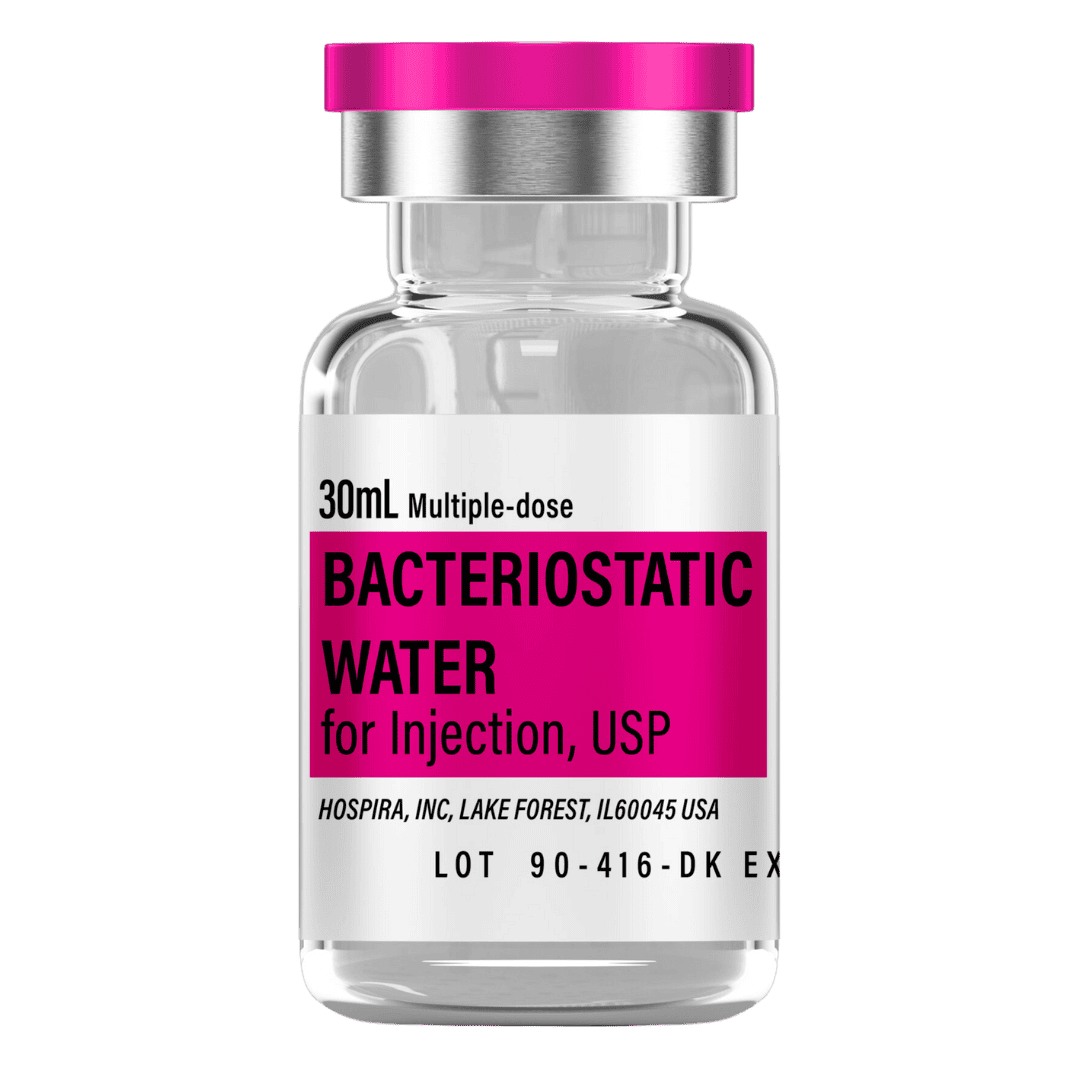
- Reconstitute: Add 3.0 mL bacteriostatic water → ~3.33 mg/mL concentration.
- Typical daily range: 200–1,000 mcg once daily (gradual titration over 10 weeks).
- Easy measuring: At 3.33 mg/mL, 1 unit = 0.01 mL ≈ 33.3 mcg on a U‑100 insulin syringe.
- Storage: Lyophilized: freeze at −20 °C (−4 °F) or below; after reconstitution, refrigerate at 2–8 °C (35.6–46.4 °F) and use within 7 days for best potency.

Dosing & Reconstitution Guide
Educational guide for reconstitution and daily dosing
Standard / Gradual Approach (3 mL = ~3.33 mg/mL)
| Week | Daily Dose (mcg) | Units (per injection) (mL) |
|---|---|---|
| Weeks 1–2 | 200 mcg (0.2 mg) | 6 units (0.06 mL) |
| Weeks 3–4 | 400 mcg (0.4 mg) | 12 units (0.12 mL) |
| Weeks 5–6 | 600 mcg (0.6 mg) | 18 units (0.18 mL) |
| Weeks 7–8 | 800 mcg (0.8 mg) | 24 units (0.24 mL) |
| Weeks 9–10+ | 1,000 mcg (1.0 mg) | 30 units (0.30 mL) |
Frequency: Inject once daily subcutaneously[7]. This schedule uses the largest practical dilution (3.0 mL) to maintain per‑injection accuracy. Stay at each dose level for approximately 2 weeks before increasing, and monitor for any adverse reactions[7].
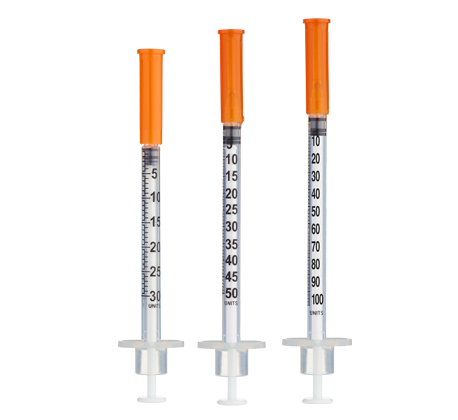
For ≤10‑unit (≤0.10 mL) administrations, consider 30‑ or 50‑unit insulin syringes for improved readability.
Reconstitution Steps
- Draw 3.0 mL bacteriostatic water with a sterile syringe.
- Inject slowly down the vial wall; avoid foaming.
- Gently swirl/roll until dissolved (do not shake vigorously).
- Label with reconstitution date and refrigerate at 2–8 °C (35.6–46.4 °F), protected from light.
- Use within 7 days for optimal potency[7].
Supplies Needed
Plan based on an 8–12 week daily protocol with gradual titration.
-
Peptide Vials (MOTS-C, 10 mg each):
- 8 weeks ≈ 3 vials
- 12 weeks ≈ 6 vials
- 16 weeks ≈ 9 vials
-
Insulin Syringes (U‑100):
- Per week: 7 syringes (1/day)
- 8 weeks: 56 syringes
- 12 weeks: 84 syringes
- 16 weeks: 112 syringes
-
Bacteriostatic Water (10 mL bottles): Use ~3.0 mL per vial for reconstitution.
- 8 weeks (3 vials): 9 mL → 1 × 10 mL bottle
- 12 weeks (6 vials): 18 mL → 2 × 10 mL bottles
- 16 weeks (9 vials): 27 mL → 3 × 10 mL bottles
-
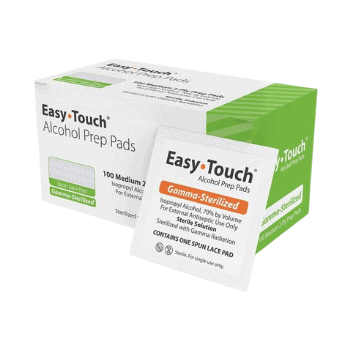
Alcohol Swabs: One for the vial stopper + one for the injection site each day.
- Per week: 14 swabs (2/day)
- 8 weeks: 112 swabs → recommend 2 × 100‑count boxes
- 12 weeks: 168 swabs → recommend 2 × 100‑count boxes
- 16 weeks: 224 swabs → recommend 3 × 100‑count boxes
Protocol Overview
Concise summary of the once‑daily regimen.
- Goal: Support metabolic homeostasis, insulin sensitivity, and age-related physical performance based on preclinical evidence[1][2][4].
- Schedule: Daily subcutaneous injections for 8–12 weeks (extend to 16 weeks if desired).
- Dose Range: 200–1,000 mcg daily with gradual titration over 10 weeks.
- Reconstitution: 3.0 mL per 10 mg vial (~3.33 mg/mL) for accurate unit measurements.
- Storage: Lyophilized frozen at −20 °C (−4 °F); reconstituted refrigerated at 2–8 °C (35.6–46.4 °F); avoid repeated freeze–thaw.
Dosing Protocol
Suggested daily titration approach based on animal-to-human extrapolation.
- Start: 200 mcg daily for 2 weeks.
- Titration: Increase by ~200 mcg every 2 weeks: 400 mcg (Weeks 3–4), 600 mcg (Weeks 5–6), 800 mcg (Weeks 7–8).
- Target: Up to 1,000 mcg (1.0 mg) daily by Weeks 9–10+ if well tolerated[7].
- Frequency: Once per day (subcutaneous).
- Cycle Length: 8–12 weeks; optional extension to 16 weeks.
- Timing: Any consistent time; rotate injection sites.
Storage Instructions
Proper storage preserves peptide quality and potency.
- Lyophilized: Store at −20 °C (−4 °F) or below in dry, dark conditions; include desiccant if available to minimize moisture exposure.
- Reconstituted: Refrigerate at 2–8 °C (35.6–46.4 °F); peptide degrades rapidly at room temperature (~25% activity loss after 24 hours at 4 °C)[7]. Use within 7 days for best potency.
- Aliquoting: Prepare single-use aliquots and freeze at −20 °C (−4 °F) if needed; avoid freeze–thaw cycles.
- Allow vials to reach room temperature before opening to reduce condensation uptake.
Important Notes
Practical considerations for consistency and safety.
- Use new sterile insulin syringes for each injection; dispose in a sharps container[11].
- Rotate injection sites (abdomen, thighs, upper arms) to reduce local irritation and prevent lipohypertrophy[11].
- Inject slowly; wait a few seconds before withdrawing the needle.
- Document daily dose, injection site, and any observations to maintain consistency.
- Discontinue use and consult a medical professional if any concerning symptoms arise.
How This Works
MOTS-c functions as a metabolic “stress signal” that helps optimize energy usage during nutrient stress or exercise[2]. Its primary mechanism is AMPK activation through inhibition of the folate cycle, causing accumulation of AICAR (an AMP analog)[1][2]. Activated AMPK shifts cells into an energy-efficient mode – enhancing glucose uptake, fatty-acid oxidation, and mitochondrial respiration while downregulating fat storage and gluconeogenesis[2].
MOTS-c can also translocate to the cell nucleus under stress conditions and upregulate antioxidant and stress-response genes[2]. This retrograde signaling from mitochondria to nucleus increases expression of cytoprotective enzymes, helping cells cope with oxidative stress. Research indicates MOTS-c may also modulate mTOR and inflammatory pathways, contributing to lifespan and healthspan effects[10]. Its actions resemble those of exercise and metformin at a cellular level[2], making it of great interest for metabolic disorders, obesity, and aging research.
Potential Benefits & Side Effects
Observations from preclinical literature (no human clinical trials completed to date)[8]:
- Metabolic Health: Improves insulin sensitivity and glucose metabolism in mouse models; prevents diet-induced insulin resistance[1][7].
- Weight & Fat Reduction: Prevents obesity and reduces visceral fat in obese mice through increased energy expenditure and fat oxidation[1][7].
- Post-Menopausal Metabolism: Mitigates metabolic decline in ovariectomized mice; prevents menopause-related fat gain and insulin resistance[3].
- Physical Performance: Enhances exercise capacity and counters age-related frailty; old mice ran 2× longer on treadmill tests[4][7].
- Organ Protection: Reduces liver fat accumulation, improves cardiac function, and may support cognitive function in preliminary studies[2][7].
- Bone & Immunity: Promotes osteoblast activity, inhibits osteoclast formation; modulates immune aging and protects pancreatic islet cells in autoimmune diabetes models[5][10].
- Safety: No adverse effects reported in preclinical studies; human tolerability unknown. A modified analog (CB4211) showed good tolerability in a Phase 1 trial[7].
Note: These benefits have been demonstrated only in controlled research settings (mice or cells). Translation to humans requires clinical studies.
Lifestyle Factors
Complementary strategies for best outcomes based on MOTS-c’s metabolic mechanisms.
- Pair with a balanced, protein-forward diet tailored to energy needs.
- Combine resistance training and aerobic activity to reinforce metabolic adaptations and AMPK signaling[4][8].
- Prioritize sleep (7–9 hours) and stress management to support mitochondrial health and recovery.
- Consider intermittent fasting or caloric restriction, which may synergize with MOTS-c’s AMPK-mediated effects.
Injection Technique
General subcutaneous guidance from clinical best‑practice resources[9][11]:
- Clean the vial stopper and skin with alcohol; allow to dry completely.
- Pinch a skinfold; insert the needle at 90° (45° if very lean) into subcutaneous tissue[11].
- Do not aspirate for subcutaneous injections; inject slowly and steadily over a few seconds[9].
- Withdraw needle at the same angle; apply gentle pressure if bleeding occurs (do not rub).
- Rotate sites systematically (abdomen at least 2 inches from navel, outer thighs, back of upper arms) to avoid irritation and lipohypertrophy[11].
- Dispose of used syringes immediately in a proper sharps container (never reuse needles)[11].
Recommended Source
We recommend Pure Lab Peptides for high‑purity MOTS-C (10 mg).
Why Pure Lab Peptides?
- High‑purity, third‑party‑tested lots with batch Certificates of Analysis (COAs).
- Consistent, ISO‑aligned handling and documentation.
- Reliable fulfillment to maintain cold‑chain integrity.
Important Note
This content is intended for therapeutic educational purposes only and does not constitute medical advice, diagnosis, or treatment. MOTS-c is an experimental compound for research use only. No clinical trials have been completed in humans. Always consult qualified healthcare providers before starting any new therapy.
References
-
Cell Metabolism (2015)
— The mitochondrial-derived peptide MOTS-c promotes metabolic homeostasis and reduces obesity and insulin resistance (Lee C, Zeng J, Drew BG, et al.) -
Journal of Translational Medicine (2023)
— Mitochondria-derived peptide MOTS-c: effects and mechanisms related to stress, metabolism and aging (Wan W, Zhang L, Lin Y, et al.) -
Journal of Molecular Medicine (2019)
— MOTS-c peptide regulates adipose homeostasis to prevent ovariectomy-induced metabolic dysfunction (Lu H, Wei M, Zhai Y, et al.) -
Nature Communications (2021)
— MOTS-c is an exercise-induced mitochondrial-encoded regulator of age-dependent physical decline and muscle homeostasis (Reynolds JC, Lai RW, Woodhead JST, et al.) -
Frontiers in Physiology (2023)
— Role of MOTS-c in the regulation of bone metabolism (Yi X, Hu G, Yang Y, et al.) -
International Journal of Molecular Sciences (2022)
— MOTS-c, the Most Recent Mitochondrial Derived Peptide in Human Aging and Age-Related Diseases (Mohtashami Z, Singh MK, Salimiaghdam N, et al.) -
Cognitive Vitality Reports (2021)
— MOTS-c (Cognitive Vitality Profile) – Alzheimer’s Drug Discovery Foundation (ADDF) -
USADA Spirit of Sport (2023)
— What is the MOTS-c peptide? – U.S. Anti-Doping Agency education article -
CDC Vaccine Administration Guidelines
— Subcutaneous route technique (angle, site selection, no aspiration) -
Experimental & Molecular Medicine (2025)
— Mitochondrial-encoded peptide MOTS-c prevents pancreatic islet cell senescence to delay diabetes (Kong BS, Lee H, L’Yi S, et al.) -
MedlinePlus Medical Encyclopedia (2023)
— Subcutaneous (SQ) injections – Patient instructions for proper technique -
Subcutaneous Drug Injection Review (PMC)
— Literature review of factors influencing subcutaneous injection pharmacology -
Pure Lab Peptides
— MOTS-C (10 mg) product page (quality and batch documentation)