
Ara-290 (16 mg Vial) Dosage Protocol
Quickstart Highlights
Ara-290 (cibinetide) is an 11–amino acid non-erythropoietic peptide derived from erythropoietin’s helix-B domain[1]. It selectively activates the innate repair receptor (IRR), an EPOR/CD131 heterodimer, to promote anti-inflammatory and tissue-protective effects without stimulating red blood cell production[2]. Clinical trials have demonstrated benefits for diabetic neuropathy and sarcoidosis-related small-fiber neuropathy[3][4].
- Reconstitute: Add 2.0 mL bacteriostatic water → 8 mg/mL concentration.
- Target dose: 4 mg once daily subcutaneously (after initial 2 mg titration).
- Easy measuring: At 8 mg/mL, 1 unit = 0.01 mL = 80 mcg on a U-100 insulin syringe.
- Storage: Lyophilized: refrigerate at 2–8 °C (35.6–46.4 °F) or freeze at −20 °C (−4 °F); reconstituted: refrigerate and use within 28 days.
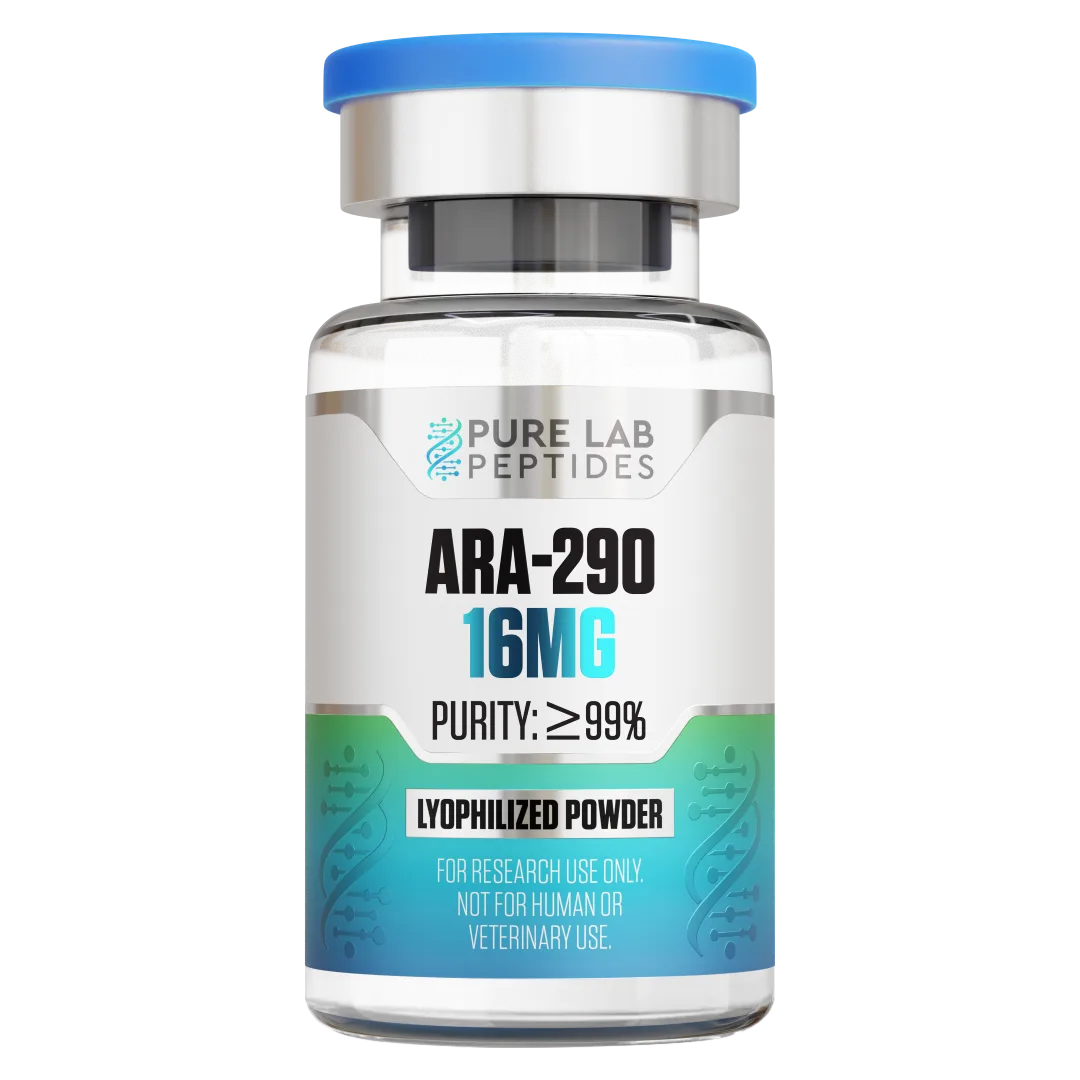
Dosing & Reconstitution Guide
Educational guide for reconstitution and daily dosing
Standard / Gradual Approach (2.0 mL = 8 mg/mL)
| Week | Daily Dose | Units (per injection) (mL) |
|---|---|---|
| Week 1 | 2 mg (2,000 mcg) | 25 units (0.25 mL) |
| Weeks 2–8 (or up to 16) | 4 mg (4,000 mcg) | 50 units (0.50 mL) |
Frequency: Inject once daily subcutaneously. Clinical studies used 4 mg/day as the target therapeutic dose, with no additional benefit observed at 8 mg[3][5]. Starting at 2 mg for the first week allows assessment of individual tolerance before reaching the maintenance dose.
Reconstitution Steps
- Draw 2.0 mL bacteriostatic water with a sterile syringe.
- Inject slowly down the vial wall; avoid foaming.
- Gently swirl or roll until fully dissolved (do not shake vigorously).
- Label with reconstitution date and refrigerate at 2–8 °C (35.6–46.4 °F), protected from light.
Supplies Needed
Plan based on an 8–16 week daily protocol with gradual titration (2 mg week 1, then 4 mg daily).
-
Peptide Vials (Ara-290, 16 mg each):
- 8 weeks ≈ 14 vials
- 12 weeks ≈ 21 vials
- 16 weeks ≈ 28 vials
-
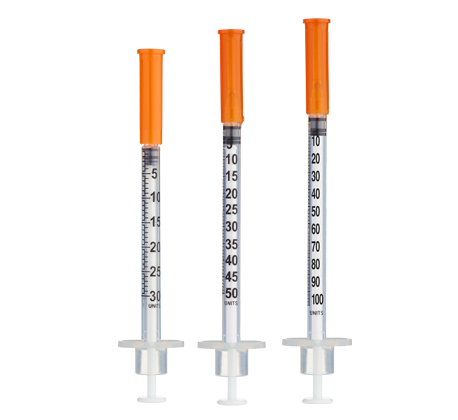
Insulin Syringes (U-100):
- Per week: 7 syringes (1/day)
- 8 weeks: 56 syringes
- 12 weeks: 84 syringes
- 16 weeks: 112 syringes
-
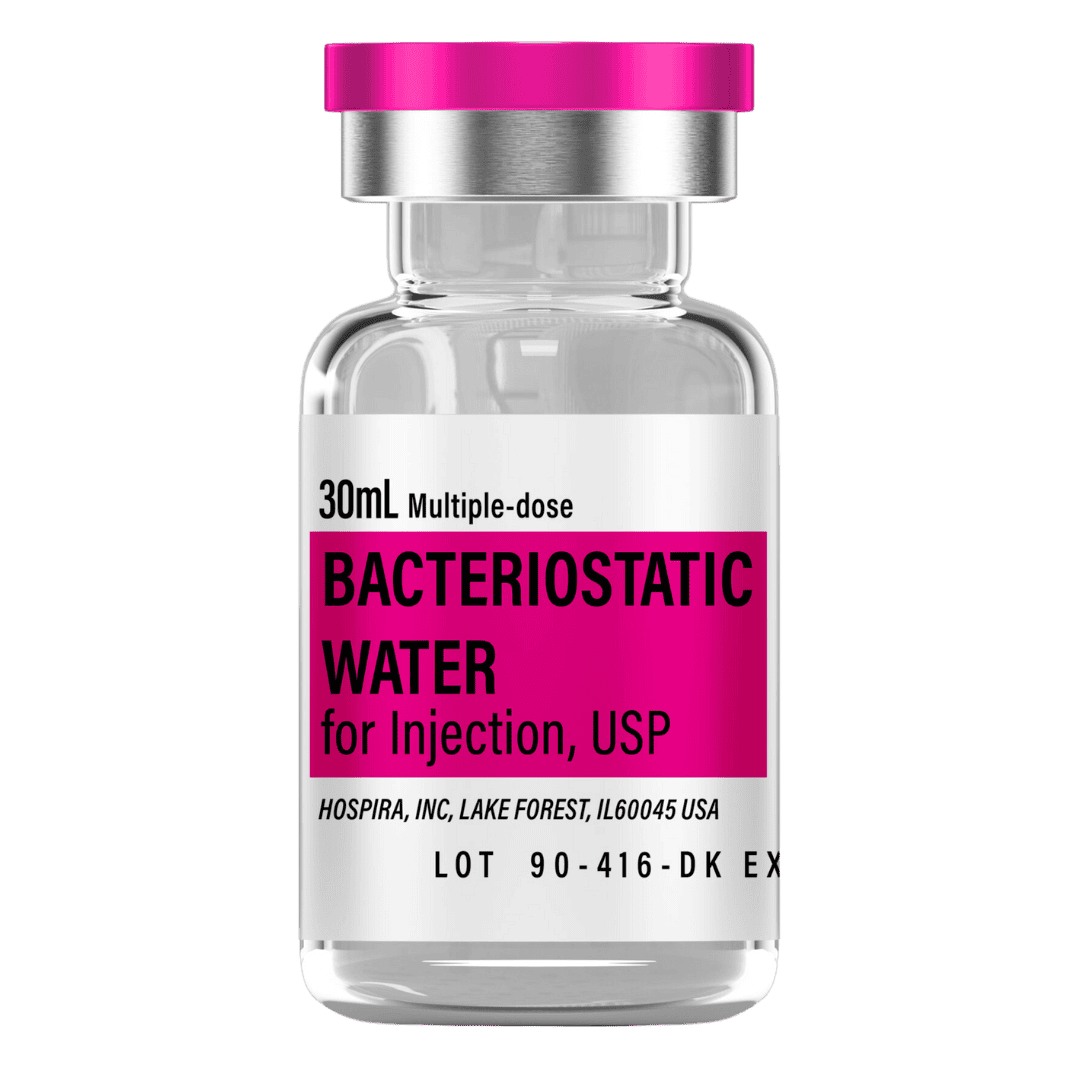
Bacteriostatic Water (10 mL bottles): Use 2.0 mL per vial for reconstitution.
- 8 weeks (14 vials): 28 mL → 3 × 10 mL bottles
- 12 weeks (21 vials): 42 mL → 5 × 10 mL bottles
- 16 weeks (28 vials): 56 mL → 6 × 10 mL bottles
-
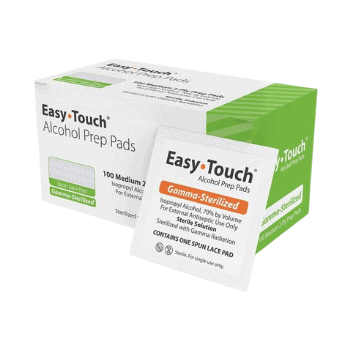
Alcohol Swabs: One for the vial stopper + one for the injection site each day.
- Per week: 14 swabs (2/day)
- 8 weeks: 112 swabs → recommend 2 × 100-count boxes
- 12 weeks: 168 swabs → recommend 2 × 100-count boxes
- 16 weeks: 224 swabs → recommend 3 × 100-count boxes
Protocol Overview
Concise summary of the once-daily regimen based on clinical trial designs.
- Goal: Support tissue protection, anti-inflammatory signaling, and neuropathic symptom management via IRR activation[2].
- Schedule: Daily subcutaneous injections for 4–8 weeks (clinical trials used 28-day protocols; extension to 8–16 weeks based on individual response).
- Dose Range: 2–4 mg daily; 4 mg is the established target dose.
- Reconstitution: 2.0 mL per 16 mg vial (8 mg/mL) for accurate unit measurements.
- Storage: Lyophilized refrigerated or frozen; reconstituted refrigerated up to 28 days.
Dosing Protocol
Suggested daily titration approach reflecting clinical study parameters.
- Start: 2 mg daily during week 1 to assess tolerance.
- Target: 4 mg daily from week 2 onward[3].
- Frequency: Once per day (subcutaneous).
- Cycle Length: 4–8 weeks standard; may extend to 16 weeks based on individual assessment.
- Timing: Any consistent time daily; rotate injection sites.
Storage Instructions
Proper storage preserves peptide integrity and potency.
- Lyophilized: Refrigerate at 2–8 °C (35.6–46.4 °F) for up to 2 years; freeze at −20 °C (−4 °F) for extended storage up to 3 years[6].
- Reconstituted: Refrigerate at 2–8 °C (35.6–46.4 °F); use within 28 days and do not freeze the liquid solution[7].
- Allow vials to reach room temperature before opening to minimize condensation; protect from light.
- Discard if discoloration, cloudiness, or particulate matter is observed.
Important Notes
Practical considerations for consistency and safety.
- Use a new sterile insulin syringe for each injection; dispose in a sharps container.
- Rotate injection sites (abdomen, thighs, upper arms) to reduce local irritation and prevent lipohypertrophy[8].
- Inject slowly; wait a few seconds before withdrawing the needle.
- Document daily dose and injection site to maintain consistency.
- No clinically significant adverse effects were reported at 4 mg/day in 28-day clinical trials[3].
How This Works
Ara-290 (cibinetide) binds to the innate repair receptor (IRR), a heterodimer of EPOR and CD131 (βc subunit), which is distinct from the classical erythropoietin receptor[1][2]. This selective binding triggers anti-apoptotic and anti-inflammatory signaling cascades that protect tissues and promote repair without stimulating erythropoiesis[9]. Preclinical research demonstrates that Ara-290 can reprogram a pro-inflammatory, tissue-damaging environment into one favoring healing and regeneration[10]. Additionally, analgesic effects have been observed through immunomodulation and direct inhibition of TRPV1 ion channels activated by capsaicin[11].
Potential Benefits & Side Effects
Observations from preclinical and clinical literature.
- Neuroprotection: Clinical trials in diabetic neuropathy showed improvements in HbA1c, lipid profiles, and neuropathic pain scores with 4 mg daily dosing[3].
- Nerve regeneration: In sarcoidosis-associated small-fiber neuropathy, treatment led to significant increases in corneal nerve fiber density (objective nerve regrowth) and improved symptoms compared to placebo[4].
- Tissue protection: Anti-inflammatory and anti-apoptotic effects observed across multiple organ systems in preclinical models[9].
- No erythropoietic effects: Unlike full EPO, Ara-290 does not stimulate red blood cell production, avoiding related side effects[2].
- Tolerability: Well tolerated in clinical studies; occasional mild injection-site reactions (redness, transient discomfort) may occur with subcutaneous administration.
Lifestyle Factors
Complementary strategies that may support therapeutic goals.
- Optimize glycemic control through diet and medication adherence if addressing diabetic neuropathy.
- Incorporate regular physical activity appropriate to individual capacity to support nerve health and circulation.
- Prioritize adequate sleep and stress management to support tissue repair processes.
- Avoid smoking and limit alcohol consumption, both of which can exacerbate neuropathic conditions.
Injection Technique
General subcutaneous guidance from clinical best-practice resources[8][12].
- Clean the vial stopper and injection site with alcohol swabs; allow to dry completely.
- Select a fatty subcutaneous site: lower abdomen (at least 2 inches from navel), outer thigh, or back of upper arm[12].
- Pinch a skinfold; insert the needle at 45–90° into subcutaneous tissue[13].
- Aspiration is not required for subcutaneous injections; inject slowly and steadily[13].
- Rotate sites systematically with each dose to avoid lipohypertrophy and local tissue changes[8].
- After injection, withdraw the needle and apply gentle pressure with clean gauze; do not rub the site.
Recommended Source
We recommend Pure Lab Peptides for high-purity Ara-290 (16 mg).
Why Pure Lab Peptides?
- High-purity, third-party-tested lots with batch COAs.
- Consistent, ISO-aligned handling and documentation.
- Reliable fulfillment to maintain cold-chain integrity.
Important Note
This content is intended for therapeutic educational purposes only and does not constitute medical advice, diagnosis, or treatment.
References
-
IUPHAR/BPS Guide to Pharmacology
— Cibinetide (ARA-290) ligand profile: structure, receptor binding, and pharmacology -
Molecular Medicine (2008)
— Brines & Cerami: Discovery and development of the innate repair receptor and its non-erythropoietic ligands -
Molecular Medicine (2014)
— Brines M. et al.: ARA 290 improves metabolic control and neuropathic symptoms in patients with type 2 diabetes -
Molecular Medicine (2013)
— Dahan A. et al.: ARA 290 improves symptoms in sarcoidosis-associated small nerve fiber loss and increases corneal nerve fiber density -
ClinicalTrials.gov (NCT02039687)
— Phase 2 study of ARA 290 on corneal nerve fiber density in sarcoidosis (1 mg vs 4 mg vs 8 mg daily SC for 28 days) -
NCBI Bookshelf
— Stability and storage considerations for lyophilized peptide formulations -
USP General Chapters
— Pharmaceutical compounding with bacteriostatic water: stability and beyond-use dating -
Cleveland Clinic
— Subcutaneous injections: where and how to administer at home -
Pain Reports (2017)
— Davis T. et al.: Targeting the innate repair receptor to treat neuropathy (review of ARA-290 mechanisms) -
Investigative Ophthalmology & Visual Science (2016)
— Cibinetide improves corneal nerve fiber abundance in patients with sarcoidosis-associated small fiber neuropathy -
Peptides Journal (2016)
— Zhang W. et al.: ARA 290 relieves pathophysiological pain by targeting TRPV1 channel -
Johns Hopkins Arthritis Center
— How to give a subcutaneous injection: patient guide -
CDC
— Vaccine administration: subcutaneous route (angle, site, and technique guidance) -
PMC Subcutaneous Drug Delivery Review
— Pharmacologic considerations of the subcutaneous injection route -
Pure Lab Peptides
— Ara-290 (16 mg) product page (quality and batch documentation)